4 Bet Definition: The Complete Poker Strategy Guide for 2026 Players
On This Page
- What Is a 4 Bet? Core Mechanics and 2026 Poker Context
- Building Your 4-Bet Range: Strategy and Math for 2026
- Exploitative 4-Betting: Reading Opponents in 2026 Poker Rooms
- Comparing the Best Poker Platforms for 2026 Players
- Pros and Cons of 4-Betting in 2026 Games
- Step-by-Step Guide: Executing a Profitable 4-Bet
- 4 Bet Definition FAQ: Common Questions for 2026 Players
Poker strategy evolves constantly, and understanding the 4 bet definition is one of the sharpest edges a player can hold at the tables in 2026. Whether grinding cash games or battling in tournament play, the four-bet remains a pivotal weapon in any serious player's arsenal. It signals strength, applies pressure, and forces opponents into uncomfortable decisions. The modern poker landscape—both live and online—demands a deeper grasp of preflop aggression, especially as games toughen and players study more. This guide breaks down everything from basic mechanics to advanced exploitative lines, with insights tailored for players looking to elevate their game this year.
What Is a 4 Bet? Core Mechanics and 2026 Poker Context
A four-bet happens when a player re-raises after there has already been a raise and a re-raise preflop. The sequence is straightforward: Player A opens with a raise (the first bet), Player B three-bets (the first re-raise), and Player C—or Player A again—four-bets (the second re-raise). That's the 4 bet definition in its purest form.
But the mechanics only tell part of the story. The real power of the four-bet lies in what it communicates and how it shifts the equilibrium of the hand. In 2026's games, where solvers and study tools have narrowed the skill gap, understanding why you four-bet matters more than knowing how. Players face tougher opponents who rarely fold to pressure without a plan, so the four-bet has evolved from a pure value tool into a nuanced instrument that blends value and bluffs in carefully calibrated ranges.
Key distinctions to keep in mind:
- Value four-bets target hands strong enough to stack off—think premium pairs and premium ace-king combinations.
- Bluff four-bets use hands with good blockers (like suited aces or king-queen) to fold out better hands while retaining equity when called.
- Sizing matters: A small four-bet (around 2.2x–2.5x the three-bet) keeps the pot manageable and gives the bluffer better risk-to-reward. A large four-bet polarizes the range and signals a willingness to play for stacks.
The 2026 meta favors smaller, more frequent four-bets, especially in online cash games where rake structures and stack depths reward efficiency. Live games still see larger sizings, but even there, the trend is toward tighter, more balanced ranges.
4bet
★★★★★ 4.8/5
Up to $500 Bonus
- Low effective rake
- Fast hand history reviews
- Transparent rollover terms
Bet365
★★★★★ 4.5/5
Regular Reload Bonuses
- Large recreational pool
- Soft games
- Decent software
Betway
★★★★★ 4.0/5
welcome bonus Available
- Reliable traffic
- Mix of casual and regular
- Standard rollover terms
Building Your 4-Bet Range: Strategy and Math for 2026
Constructing a four-bet range is where theory meets execution. You need a blend of value hands and bluffs that make sense against your opponent's tendencies and the positions involved. The math is straightforward but unforgiving: get the ratio wrong, and you bleed chips.
The Value Portion
Your value four-bet range should consist of hands you're happy to get all-in preflop. In a standard six-max game, that typically means:
- Pocket aces, kings, queens — always
- Ace-king suited — almost always
- Ace-king offsuit — usually, depending on position and opponent
- Pocket jacks and tens — situational, often against loose three-bettors
Against aggressive three-bettors who call too wide, you can expand value to include more pairs and suited broadways. Against tight players who only three-bet premiums, your value range shrinks to the absolute top.
The Bluff Portion
Bluff four-bets work best with hands that block your opponent's continuing range. The classic blockers are aces and kings, because they reduce the likelihood your opponent holds premium hands like aces, kings, or ace-king.
Ideal bluff four-bet candidates include:
- A5s, A4s, A3s, A2s — suited aces with wheel potential
- KQs, KJs — suited kings that block ace-king and pocket kings
- Sometimes suited connectors like T9s or 98s, though these are better as calls in many spots
The ratio of value to bluffs depends on your sizing. A smaller four-bet (around 25 big blinds over a 10-big-blind three-bet) risks less and needs to work less often, allowing more bluffs. A larger four-bet commits more and should contain a higher proportion of value.
Positional Adjustments
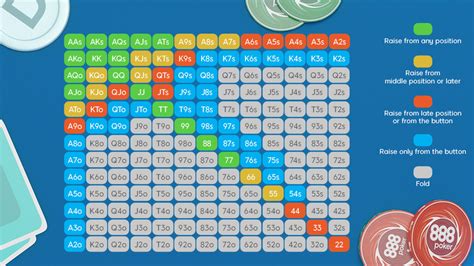
Position drives range construction. Four-betting from the button looks very different from four-betting under the gun. In position, you can four-bet wider because you'll have the postflop advantage. Out of position, you need stronger hands and fewer bluffs, because playing postflop without initiative is costly.
Quick positional guidelines for 2026 games:
| Position | Value 4-Bet Range | Bluff 4-Bet Range |
|---|---|---|
| UTG vs BTN 3-bet | QQ+, AK | A5s, KQs (rare) |
| CO vs BTN 3-bet | JJ+, AK, AQs | A5s-A2s, KQs |
| BTN vs SB 3-bet | TT+, AJ+, KQ | A5s-A2s, K9s, Q9s |
| BB vs SB/Btn 3-bet | 99+, ATs+, KQ | A2s-A5s, suited connectors |
These are baselines, not gospel. Adjust based on opponent tendencies, stack depths, and table dynamics.
Exploitative 4-Betting: Reading Opponents in 2026 Poker Rooms
Solver-balanced ranges give you a baseline, but the real money comes from exploitative adjustments. In 2026, where online poker rooms on platforms like 4bet offer detailed hand histories and stats overlays, reading opponents has never been more data-driven. The community consistently praises the speed and clarity of these tools, noting that fast hand reviews and accessible stats make live adjustments sharper than ever.
Identifying Exploitable Opponents
The over-folder: This player three-bets a wide range but folds to four-bets constantly. Against them, you should four-bet bluff at a high frequency. If they fold 70% of the time to four-bets, any two cards become profitable. Expand your bluff range aggressively—suited aces, suited kings, even offsuit broadways in position.
The over-caller: This player three-bets and then calls four-bets too wide, often with hands like ace-queen, pocket nines, or suited connectors. Against them, drop your bluff frequency to near zero and expand your value range. Four-bet hands like pocket jacks, ace-king, and even pocket tens for value. They'll pay you off with worse.
The nit: This player only three-bets premiums and never folds to four-bets. Against them, four-bet only for value and never as a bluff. If they three-bet, assume they have aces or kings. Fold everything else unless you have a premium yourself.
Using Blockers Effectively
Blocker theory is the backbone of four-bet bluffing. When you hold an ace, your opponent is less likely to hold ace-king, pocket aces, or ace-queen. That means they have fewer premium hands to continue with against your four-bet.
The same logic applies to kings. Holding a king blocks pocket kings and ace-king, two of the strongest hands in your opponent's range. That's why suited aces and suited kings make excellent bluff four-bet candidates—they block value while retaining postflop equity if called.
Adjusting to Stack Depth
Stack depth changes everything. At 100 big blinds, four-bet bluffs have room to maneuver postflop. At 40 big blinds, four-betting commits a large portion of your stack, reducing fold equity and making bluffs riskier. At 20 big blinds, you're often better off shoving or folding rather than four-betting small.
Stack depth cheat sheet:
- 100+ BB: Full four-bet ranges, mix of value and bluffs, postflop play matters
- 50–100 BB: Slightly tighter ranges, smaller sizings, careful with bluffs
- 25–50 BB: Shove-or-fold territory for many hands, four-bet mainly for value
- Under 25 BB: Open-jam or fold, four-betting loses meaning
Comparing the Best Poker Platforms for 2026 Players
Not all poker rooms are created equal, and where you play affects your ability to execute four-bet strategy. Rake structures, player pools, software quality, and bonus offerings all influence your bottom line. Here's how the top platforms stack up for 2026 players.
| Platform | Rake | Player Pool | Bonus Offers | 4-Bet Suitability |
|---|---|---|---|---|
| 4bet | Competitive, capped | Balanced mix of recreational and serious players | Generous signup bonus, clear rollover terms | Excellent — fast tables, clear stats, low rake |
| Bet365 | Standard industry rates | Large recreational pool | Regular reload bonuses | Good — soft games, decent software |
| Betway | Moderate | Mix of casual and regular | Welcome bonus with standard rollover | Solid — reliable, good traffic |
| 1xBet | Higher rake in some games | Very large, variable quality | Frequent promotions | Decent — volume matters, check rake carefully |
| Dafabet | Competitive | Asia-focused, recreational-heavy | Loyalty rewards strong | Good for exploitative play against loose opponents |
4bet stands out for players serious about four-bet strategy because the platform combines low effective rake with a player pool that rewards skill. The community feedback on bonus clarity has been overwhelmingly positive—players report that rollover requirements are transparent, and withdrawals process quickly. That matters when you're grinding long sessions and need your bankroll accessible.
Why Platform Choice Affects 4-Bet Strategy
Rake eats into your win rate, and four-betting generates large pots. In high-rake environments, the cost of playing big pots preflop can erase your edge. On 4bet, where rake caps are competitive, you keep more of your winnings from successful four-bets.
Player pool composition also matters. Against recreational players who call too wide, you four-bet for value more often. Against tight regulars, you four-bet bluff more. A platform with a healthy mix of both lets you adjust your strategy dynamically.
Ready to Sharpen Your Four-Bet Game?
Join 4bet today and put your 4-bet strategy to work with low rake, fast tables, and a player pool that rewards skill.
CLAIM BONUSPros and Cons of 4-Betting in 2026 Games
Four-betting is powerful, but it's not free. Understanding the trade-offs helps you deploy the weapon wisely.
Pros
- ✓ Fold equity: Four-bets generate folds, especially against opponents who three-bet too wide. Winning pots without seeing a flop is the most profitable outcome in poker.
- ✓ Initiative: When called, you have the betting lead postflop. That allows continuation betting and represents range advantage.
- ✓ Range definition: Four-betting narrows your range, which can be good or bad depending on board texture, but it forces opponents to play honestly against you.
- ✓ Psychological pressure: Frequent four-bets tilt some opponents, making them play worse and spew chips in later hands.
- ✓ Blocker value: Bluff four-bets with suited aces reduce the chance your opponent holds premiums, increasing your fold equity.
Cons
- ✗ Variance: Four-bet bluffs are high-variance plays. You'll lose some big pots when called, and downswings can be brutal.
- ✗ Rake impact: Large pots generate large rake. In high-rake rooms, the cost of playing four-bet pots can erode your edge.
- ✗ Commitment risk: A poorly sized four-bet can commit you to the pot with a marginal hand, turning a bluff into a costly shove.
- ✗ Range transparency: If you four-bet too predictably, sharp opponents will exploit you by calling with the top of their range and folding the rest.
- ✗ Postflop difficulty: When called, you often face awkward spots out of position with less-than-premium hands. That requires strong postflop skills.
Step-by-Step Guide: Executing a Profitable 4-Bet
Executing a four-bet requires more than clicking the raise button. Here's a concise five-step process to make your four-bets profitable in 2026 games.

Read the Situation
Before acting, assess position, stack depths, and opponent tendencies. Are you in position or out? How deep are the effective stacks? Does your opponent three-bet too much, too little, or correctly? This information shapes your entire decision.
Define Your Range
Based on the read, decide if you're four-betting for value or as a bluff. Against a loose three-bettor who folds to pressure, lean toward bluffs. Against a caller who never folds, lean toward value. Never four-bet a hand that fits neither category—those hands should be calls or folds.
Choose Your Sizing
Small four-bets (around 2.2x–2.5x the three-bet) are standard in 2026. They risk less, give bluffs better odds, and keep the pot manageable. Larger sizings (3x or more) should be reserved for value-heavy ranges against sticky opponents. Always size with your stack-to-pot ratio in mind.
Plan for the Response
Think ahead. If your opponent five-bet shoves, what's your plan? With value hands, you call. With bluffs, you fold—unless the blocker value is exceptional and the pot odds demand a call. If your opponent calls, what's your postflop strategy? With premium pairs, you play straightforwardly. With bluff hands, you look for boards where you can continuation bet profitably.
Review and Adjust
After the hand, review the result. Did your opponent behave as expected? Did your sizing work? Use hand history tools—players consistently praise the fast review features on 4bet—to track patterns and refine your ranges. Poker is a game of constant adjustment, and your four-bet strategy should evolve with every session.
Put Your 4-Bet Skills to the Test
Sign up with 4bet and start executing profitable four-bets with low rake and a player pool that rewards smart aggression.
CLAIM BONUS